Teeth whitening is one of the most popular cosmetic dentistry procedures performed today because it offers a quick and effective way to enhance the appearance of your smile. Teeth discoloration or staining over time can be caused by a variety of factors, including age, lifestyle choices, and particular meals and beverages. Teeth whitening can help restore a smile that is brighter and more radiant. This process is effective, safe, and customizable to meet the needs of each individual.
What Causes Teeth Discoloration?
Tooth discoloration has multiple causes. External stimuli such as drinking dark-colored drinks, coffee, tea, or red wine can cause extrinsic stains. Another common culprit is smoking or using tobacco products. Since these stains harm the tooth’s enamel, which is its outermost layer, they usually react well to whitening procedures.
On the other hand, intrinsic stains occur inside the tooth and can be caused by trauma, certain medications, or excessive fluoride exposure during childhood. Intrinsic stains can sometimes be less noticeable with modern teeth-whitening techniques, but they can be more challenging to get rid of.
Age-related discoloration, which happens when the enamel thins and the dentin’s natural yellow color is shown, is another factor. Teeth whitening techniques can make teeth look younger by reversing these changes.
Professional Whitening of Teeth
Getting your teeth professionally whitened by a dentist is the best way to achieve noticeable and long-lasting results. There are two main types of professional teeth whitening: in-office treatments and at-home kits.
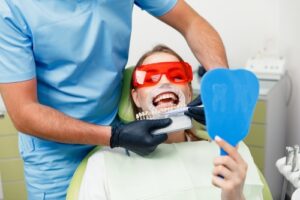
In-office whitening is a rapid and efficient treatment. Typically, a high-concentration bleaching gel is applied to the teeth and activated with a specialized light or laser. Because it can lighten teeth by several shades in a single visit, this method is ideal for folks who want results immediately. Dentists, like Dr. Bob Cheng, usually use preventative measures, such shielding the gums, to provide a comfortable and safe procedure.
Take-home whitening kits from dentists provide a more advanced approach. These kits come with specifically made trays and professional-grade whitening gel. In most cases, patients wear the trays for a set period every day for one to two weeks. Compared to in-office whitening, take-home kits provide you greater freedom and convenience, but the results take longer to manifest.
Over-the-Counter Whitening Options
For those seeking less costly options, there are numerous over-the-counter (OTC) whitening products available. These include toothpastes, whitening trays, gels, and strips. Although over-the-counter medicines can provide obvious benefits, they are frequently less effective than professional therapy and may take longer to produce the desired effects. Additionally, they might not be as effective in getting rid of stains or discolorations that are more deeply embedded.
Whitening toothpastes employ mild abrasives to get rid of surface stains, whereas whitening strips and gels include less bleaching agents. For the best results and safety, it’s important to consult a dentist before starting any teeth-whitening technique and to carefully follow the product’s instructions.
Potential Risks and Considerations
Teeth whitening can have unexpected implications even though it’s usually safe. The most common issue is tooth sensitivity, which can occur during or after treatment. This sensitivity is typically temporary and can be managed by using desensitizing toothpaste or separating whitening procedures.
Inflammation of the gums is another possible side effect, particularly if the whitening gel comes into touch with the sensitive tissues of the mouth. Professional whitening techniques use cautious application and protective barriers to lower this risk.
Tooth whitening is not a good option for everyone. People with certain dental conditions, such as cavities, gum disease, or damaged enamel, may need to address these issues before receiving teeth whitening. Additionally, teeth whitening treatments do not damage dental restorations such as crowns, veneers, and fillings, which may need to be updated to match the newly whitened teeth.
Maintaining a Brighter Smile
Establishing practices that help you maintain your teeth-whitening results is essential. Frequent brushing, flossing, and dental exams are necessary to maintain good oral health and a bright smile. Limiting the consumption of foods and beverages that can discolor teeth or reducing tooth contact with a straw are two further ways to prevent discoloration.
Quitting smoking improves a smoker’s overall health and helps them prevent further discolouration. Regular touch-ups may be recommended by dentists to maintain the whiteness achieved with professional whitening.
The Confidence-Boosting Impact of a Whiter Smile
A brighter smile can have a significant impact on self-worth and confidence. Studies show that those with whiter teeth are often perceived as more attractive, prosperous, and healthy. Relationships at work, social settings, and one’s overall quality of life can all be enhanced by this confidence boost.
Choosing the Best Option for Whitening
With so many alternatives available, choosing the optimum whitening technique for your needs is essential. Speaking with a dentist is the best way to determine which strategy will be most effective and safe for your specific situation. The type of discoloration, sensitivity levels, and personal preferences should all be considered while selecting a therapy.
In conclusion, teeth whitening is a versatile and reasonably priced method of enhancing the appearance of your smile. Whether you employ professional treatments or over-the-counter solutions, getting a brighter smile is now easier than ever. By understanding the causes of discoloration, researching your options, and maintaining good oral hygiene, you can benefit from a confident and radiant smile for many years to come.